What are the charms of Wajima-Nuri?
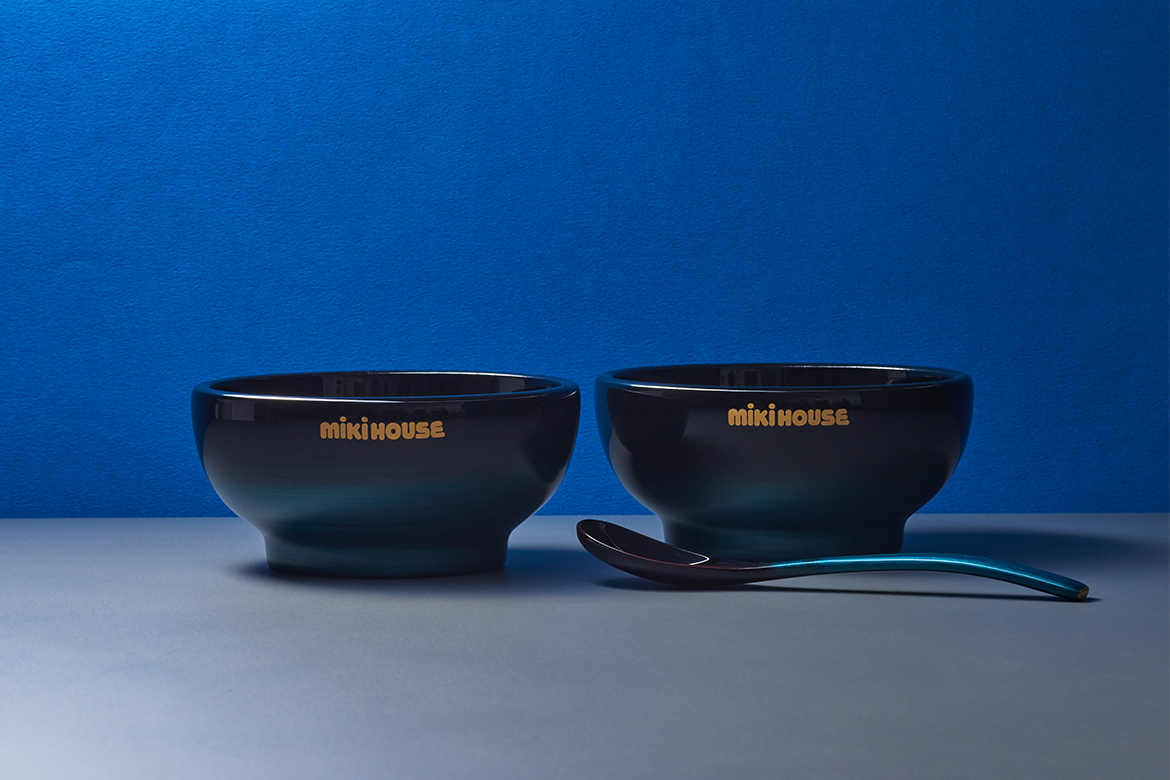
Introducing the charms of Wajima-Nuri Lacquerware,
a traditional craft passed down and loved for centuries in the Wajima region of the Noto Peninsula.
All Natural Materials
All Natural Materials
Wajima lacquerware is made entirely from the bounty of nature, such as wood, lacquerware, and diatomaceous earth.
Its natural lacquer has the property of further developing character and luster with each use.
Compared to its appearance immediately after completion,
the lacquer develops an even deeper luster after being used, washed, and dried over several years.
The longer you use it, the more its character develops, allowing you to enjoy each step of its transformation.
It provides the warmth only natural materials can achieve, and a soft feel that sits comfortably in your hand.
Since lacquerware can be repainted and repaired after years of use, these can also be used by generations to come.
Wajima Lacquer, the World's Best Lacquer
Wajima Lacquer, the World's Best Lacquer
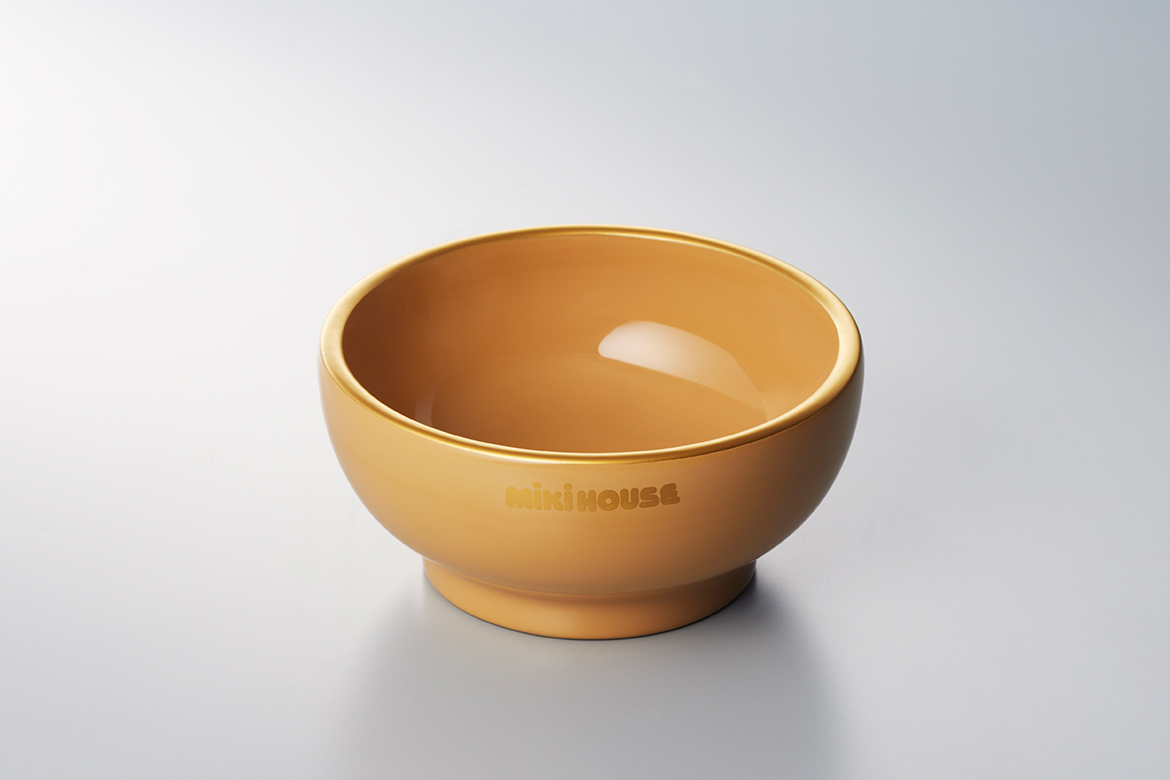
Wajima lacquer is a natural coating that is highly resistant to water, heat, acids, and bacteria.
It hardens when moisture in the air reacts with the enzymes in the lacquer,
a unique property that can make it stronger than ceramic.
Furthermore, colored lacquer is made by mixing lacquer with natural pigments,
which creates deep colors and a radiance that seems to capture light.
A perfect combination of performance and beauty, it is unparalleled anywhere in the world.
Made Through 124 Processes and 6 Types of Craftsmen
Made Through 124 Processes and 6 Types of Craftsmen
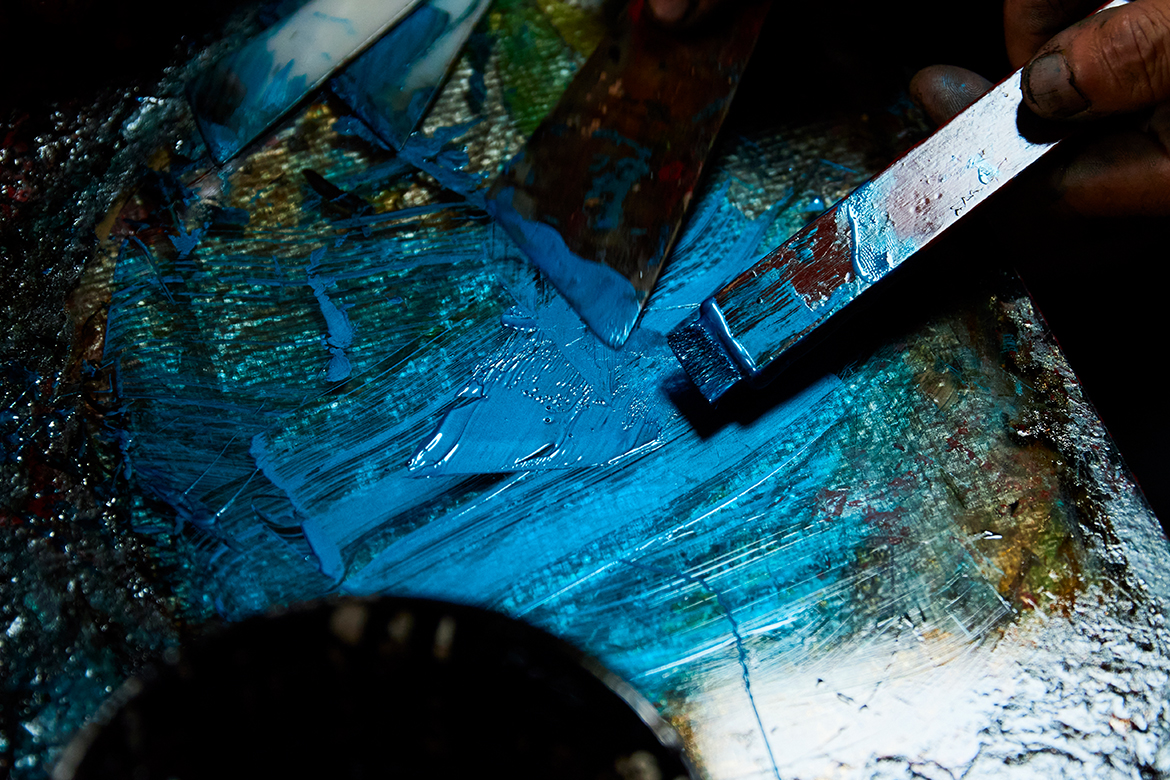
Six specialized craftsmen are involved in the production: woodworkers,
primers, lacquerers, maki-e artists, chinkin artists, and polishers.
From creating the wood base to priming, lacquering, and decorating,
everything is an accumulation of highly advanced techniques.
The skills and time of many craftsmen are poured into each piece,
resulting in a one-of-a-kind lacquerware whose beauty deepens the more it is used.
The Value of an Important Intangible Cultural Property
The Value of an Important Intangible Cultural Property
Wajima lacquerware has been designated an Important Intangible Cultural Property of Japan,
highly acclaimed for its unique techniques that are rooted in the region and
its artisan culture that has been passed down for centuries.
Its durability and beauty are both evident,
realized through unique techniques such as using diatomaceous earth to create a strong base,
and applying powder and linen cloth with lacquer.
As a craft that combines artistry and functionality,
it is a cultural heritage of Japan that we are proud to share with the world.
MIKI HOUSE Meets
Wajima-Nuri Lacquerware
The Secret Behind Wajima-Nuri's Durability
Festival Dolls
Standing Hina Dolls and Kabuto Helmet
MIKI HOUSE Standing Hina Dolls
Okuizome Meal Set / Feeding Set
